
PACIFIC
REGIONAL ACTION PLAN
ON
SUSTAINABLE
WATER MANAGEMENT
In preparation
for the 3rd World Water Forum
Kyoto, Japan, 2003
3rd August 2002
Sigatoka, Fiji Islands

PAC I F I C R E G I O N A L A C T I O N P L A N O N S U S TA I N A B L E WAT E R M A N A G E M E N T
Published by
South Pacific Applied Geoscience Commission (SOPAC)
and Asian Development Bank (ADB)
February 2003
Copyright: Asian Development Bank
This book was prepared by consultants and staff of the ADB and SOPAC
(the sponsors). The analyses and assessments contained herein do not
necessarily reflect the views of the Asian Development Bank, or its
Board of Directors or the governments they represent, or of the SOPAC
and the governments it represents.
The sponsors do not guarantee the accuracy of the
data included in this book and accepts no responsibility for any
consequences of their use.
The term "country" does not imply any judgment by the Asian
Development Bank as to the legal or other status of any territorial entity.


PAC I F I C R E G I O N A L A C T I O N P L A N O N S U S TA I N A B L E WAT E R M A N AG E M E N T
CONTENTS
Preface
2
Report of the Consultation
3
REGIONAL ACTION PLAN
Theme 1 Water Resources Management
5
Theme 2 Island Vulnerability
13
Theme 3 Awareness
17
Theme 4 Technology
21
Theme 5 Institutional Arrangements
27
Theme 6 Finance
35
Ministerial Declaration
42
Communiqué
45
List of Abbreviations
49
References
50
Organizing Committee
51
Map of the Pacific
52
1




PAC I F I C R E G I O N A L A C T I O N P L A N O N S U S TA I N A B L E WAT E R M A N A G E M E N T
PREFACE
It is with great pleasure that the Asian Development Bank (ADB) and the South Pacific
Applied Geoscience Commission (SOPAC) accepted the request of the Secretariat of the
3rd World Water Forum to organize a consultation on sustainable water management for
small island countries in the Pacific, East Timor and the Maldives.
Water is widely regarded as the critical natural resource for sustainable human and
economic development in the coming decades. If we are to achieve sustainable
management of our water resources and improve water services we must jointly move from
vision to action with concrete commitment and leadership at national and regional levels.
The national consultations as well as a regional meeting held in Sigatoka, Fiji from 29 July to
3 August 2002 provided a platform through which participants translated ideas into
decisions and policy changes resulting in the Regional Action Plan that is before you.
We are pleased that many stakeholders have committed themselves to get actively involved
in this process and to take this unique opportunity to assist in the development of actions
that help to secure a sustainable freshwater future.
The outcomes of the consultation will be carried forward and presented during the 3rd
World Water Forum in Kyoto as part of the theme "Water in Small Island Countries". We are
pleased that collaboration between the Asian, Caribbean, and the Pacific regions has been
established to facilitate a joint contribution to this global forum.
We would like to take this opportunity to thank the Secretariat of the 3rd World Water Forum
for enabling us to organize this consultation meeting. In addition, we are grateful to the
International Secretariat of the Dialogue on Water and Climate for providing sponsorship
for the theme on Island Vulnerability and the Small Island Countries Dialogue on Water and
Climate. We would also like to thank the Pacific Water Association (PWA) and the World
Bank for their valuable contributions to the themes on Technology and Financing and
AusAID, DFID, and NZAID for their financial support. We acknowledge herewith the
assistance rendered by the Pacific Islands Forum Secretariat in the development of the
Ministeral Declaration and Communiqué and their advice on formulating the outcomes of
the consultation into the Pacific submission to the World Summit for Sustainable
Development.
Finally, we would like to express our appreciation to the Government of Fiji for its
assistance as host country of this important event.
Yours sincerely,
Mr Jeremy Hovland
Mr Alf Simpson
Director General
Director
Pacific Department
SOPAC
ADB
2

PAC I F I C R E G I O N A L AC T I O N P L A N O N S U S TA I N A B L E WAT E R M A N A G E M E N T
REPORT OF THE CONSULTATION
Introduction
The Asian Development Bank (ADB) and the South Pacific Applied Geoscience
Commission (SOPAC) joined forces to organize a high-level regional consultation for the
Pacific water sector in preparation for the 3rd World Water Forum that will take place from
16 to 23 March 2003 in Kyoto, Japan.
The consultation aimed to help small island country practitioners and regional and
international organizations strengthen their policies, institutional arrangements, and
projects through:
· enhancing public awareness of the need for better water and wastewater
management;
· exchanging views and experiences; and
· developing a shared understanding about policies, institutional frameworks,
and approaches to sustainable sector development.
Planning Meeting
A planning meeting for the Pacific preparation for the 3rd World Water Forum was held
from 31 January to 1 February 2002 in Port Vila, Vanuatu. The planning meeting was
convened jointly by ADB and SOPAC to establish the framework of the regional
consultation process. It decided that the regional consultation would be high level and
participatory. It also identified six thematic areas based on earlier needs assessments in
the region, to provide a structure for the consultation. The six themes were: Water
Resources Management; Island Vulnerability; Awareness; Technology; Institutional
Arrangements, and Finance.
National Consultations and Country Briefing Papers
Countries were encouraged to initiate a national consultation process involving a wide
range of water sector specialists in order to develop a clear brief for the representatives
of each country.
The national consultations involved stakeholders drawn from governments,
nongovernment organizations (NGOs), and the private sector including organizations and
agencies concerned with water resources management, water authorities, service
providers, rural development departments, health and environment agencies, and
regulators. Various countries already had mechanisms in place such as a national water
committee or national water council that facilitated this multi-stakeholder national
consultation.
Facilitated by the World Wide Fund for Nature (WWF) South Pacific Programme, NGOs
in the region were encouraged to take part in the national consultations and contributed
to the regional consultation meeting.
Regional Consultation Meeting
A high-level regional meeting was held in Sigatoka, Fiji from 29 July to 3 August 2002
attended by over 150 participants including Ministers, other senior representatives of
governments, multilateral and bilateral agencies, representatives of civil society including
Community Based Organizations (CBOs), and the private sector.
Country actions prepared by the national delegations were presented on Day 1.
Thematic overview papers prepared by theme resource persons were presented,
supported by selected case studies from small island countries in the region, on Day 2,
3, and 4. They showed specific actions that were to contribute to sustainable water
management and were the starting point for plenary discussions on the Regional Action
Plan.
3

PAC I F I C R E G I O N A L A C T I O N P L A N O N S U S TA I N A B L E WAT E R M A N AG E M E N T
For each theme a working group was established that drafted the action plan for that
thematic area which were subsequently discussed on Day 5. A drafting committee was
set up that ensured all issues and actions were included in the Communiqué and
Ministerial Declaration that were both adopted on Day 6, 3 August 2002.
Outcomes of the Consultation
The outcomes of the consultation, including this Regional Action Plan and Ministerial
Declaration, were taken to the Caribbean Water and Wastewater Conference and
Caribbean Dialogue on Water and Climate in October 2002. A joint contribution from the
Caribbean and the Pacific will be provided to the "Water in Small Island Countries"
session at the 3rd World Water Forum in Kyoto.
In adopting the action plan, the ministers and heads of country delegations from 16
Pacific island countries and representatives of civil society groups stressed the
participatory nature of their deliberations and reinforced their commitment to sharing
knowledge to address common water problems and solutions.
They noted the unique geographic and physical characteristics, as well as the fragile
nature of water resources in small island countries, which impact the health and well-
being of their peoples, environment, and economic development. They also recognized
the important linkages between water resources, water services, and wastewater
management, including sanitation and hygiene.
The Regional Action Plan Report
This report is structured around the six thematic areas. Under each theme there are key
messages to stakeholders with supporting statements drawn from the discussions in the
respective working groups. Under each key message the required actions are listed
including the parties deemed most appropriate to be responsible for their
implementation.
The Ministerial Declaration that has been signed by 14 Ministers and Secretaries of
State as of 21st February 2003 is provided as well as the Communiqué that was adopted
during the closure of the regional meeting in Sigatoka, 3 August 2002. The report closes
with a list of acronyms and references to documents that are mentioned in the action
plan.
At the Thirty-Third Pacific Islands Forum held in Suva, Fiji, 15-17 August 2002, the Pacific
Islands Heads of State endorsed full participation in the World Water Forum. The
outcomes of the meeting have been incorporated in a Partnership arrangement under
the so-called Type II initiatives that has been submitted to the Commission for
Sustainable Development in Johannesburg during the World Summit for Sustainable
Development in August 2002.
4

THEME 1
WATER
RESOURCES
MANAGEMENT
Water Resources Assessment and Monitoring
Rural Water Supply and Sanitation
Integrated Water Resources and Catchment Management
Chair:
Ata Herman
Facilitator:
Tony Falkland
Rapporteur:
David Scott
2nd Rapporteur: Rhonda Bower
5





PAC I F I C R E G I O N A L A C T I O N P L A N O N S U S TA I N A B L E WAT E R M A N A G E M E N T
THEME 1
WATER RESOURCES MANAGEMENT
(Water Resources Assessment and Monitoring; Rural Water Supply and Sanitation;
Integrated Water Resources and Catchment Management)
Key Message 1: Strengthen the capacity of small island countries to
conduct water resources assessment and monitoring as a key
component of sustainable water resources management.
Supporting Statements:
1. Many small island countries have noted significant deficiencies in their national and
local capacity to conduct essential water resources assessment and monitoring in their
country papers at this meeting and at previous regional and inter-regional meetings
over the past decade and more.
2. These deficiencies prevent small island countries from conducting proper
planning, development, and sustainable management of their limited and
vulnerable water resources.
3. Despite this fact, there continues to be no systematic, co-ordinated approach to
addressing these deficiencies.
4. Most small island countries lack adequate baseline data that is readily available for
planning and development and do not have reliable hydrological databases.
5. There are similarities between needs which can be addressed at regional, as well as
national level, through targeted training and capacity building.
6. Proposals for capacity building and training of technicians in Pacific island countries
have been prepared in recent years by regional and international agencies with
expertise in hydrology, water resources, and water quality (e.g., SOPAC, SPREP,
UNESCO, WMO, WHO, and UNEP).
Actions Required:
1. Implement actions to strengthen national capacity (equipment, training, etc) using
the model outlined in the Pacific-HYCOS proposal (WMO, 2000) and
recommendations regarding water quality in WHO (2001).
Responsible Parties
· SOPAC with support from international agencies (e.g., WMO, UNESCO, WHO)
(co-ordination of regional level effort)
· National agencies (implementation and funding)
· Donors (funding)
2. Implement hydrological training for technicians in line with the recommendations
presented in the proposal to meet training needs in small island countries
(SOPAC/WMO/UNESCO, 2001).
6





PAC I F I C R E G I O N A L A C T I O N P L A N O N S U S TA I N A B L E WAT E R M A N AG E M E N T
Responsible Parties
· SOPAC with support from international agencies (e.g., WMO, UNESCO)
(coordination of regional effort)
· Donors (funding)
· National agencies (implementation and funding)
3. Implement a programme of targeted applied research projects to address
knowledge gaps in line with recommendations and priorities presented in ANU/
SOPAC/UNESCO (2000) and SOPAC (1999).
Projects include the following:
· catchment and communities project on a high volcanic island;
· groundwater recharge and estimation of sustainable yield using modelling
(further work in initial and other sites);
· groundwater pollution due to sanitation systems (further work in initial and
other sites);
· integrated island water resources study;
· groundwater and surface water pollution due to chemicals;
· rainwater catchment study;
· appropriate groundwater extraction systems; and
· drought assessment in small island nations.
Applied research projects should adopt the following principles:
· have regional application;
· include training for personnel;
· consider technical and social issues;
· incorporate community awareness and participation; and
· involve close liaison with relevant agencies.
Responsible Parties
· SOPAC, UNESCO in cooperation with other regional agencies (coordination of
regional effort and assistance with implementation)
· Donors (funding)
· Regional research institutes (assistance with implementation and training)
· National agencies (implementation and funding)
4. Develop and/or implement minimum standards for conducting island water
resources assessment and monitoring.
Responsible Parties
· National agencies (implementation and funding)
· SOPAC in cooperation with other agencies (assistance with implementation)
· Donors (funding)
5. Support community participation in appropriate water quality testing
programmes targeted at environmental education and awareness of
communities, using existing and proposed programmes as models (e.g.,
DGMWR/SOPAC/UNESCO/NIWA, 2002; Live & Learn, 2002; SPREP-IWP,
2002).
Responsible Parties
· Regional and other agencies (e.g., UNESCO, SOPAC, SPREP, WHO) (support
and technical assistance)
7


PAC I F I C R E G I O N A L A C T I O N P L A N O N S U S TA I N A B L E WAT E R M A N A G E M E N T
· Communities (implementation) and NGOs (support and training)
· Donors (funding)
6. Implement appropriate water quality testing capability and associated training at
local, national, and regional level.
Responsible Parties
· National and local government agencies (implementation)
· Regional agencies (e.g., USP, WHO) (assistance with implementation and
training)
· Other institutions and individuals
· Donors (funding of components)
7. Strengthen and enhance communication and information exchange between
national agencies involved with meteorological, hydrological, and water quality
data collection programmes (including water supply agencies and health
departments), and users.
Responsible Parties
· National and local governments (policy)
· Government agencies (coordination, communication, and information exchange)
· Water utilities
8. Enhance education and career development opportunities in the water sector,
including:
· scholarships for advanced training courses, including distance learning;
regional or in-country training workshops on targeted need areas;
· training courses in partnership with tertiary institutions;
· twinning or interchange of professional and technical staff between different
islands; and
· active involvement in appropriate research and implementation projects.
Responsible Parties
· National governments (policy)
· Regional and international agencies (e.g., USP, SOPAC, UNESCO)
(implementation of components)
· Other institutions and individuals
· Donors (funding of components)
Key Message 2: Implement strategies to utilize appropriate methods and
technologies for water supply and sanitation systems and approaches for
rural and peri-urban communities in small islands.
Supporting Statements:
1. Climate and water resources conditions vary considerably between, and even
within, islands depending on location, size, geology, topography, and other factors.
2. Water supply for local communities (and tourism in some island countries) is the
most important water use, although some islands have sufficient water resources for
other uses (e.g., industry, mining, irrigated agriculture, and hydropower).
8



PAC I F I C R E G I O N A L A C T I O N P L A N O N S U S TA I N A B L E WAT E R M A N AG E M E N T
3. Approaches to provision of water supply vary according to availability and
sustainability of water resources.
4. Human factors such as population density, land use, and measures used for
sanitation, wastewater, and solid waste disposal have a large impact on the
availability of water, the microbiological, and chemical quality of water supplies
and downstream impacts on the near-shore and marine environment.
5. Operational and maintenance factors, and social and environmental acceptability,
are particularly important in the selection of appropriate solutions for water supply
and sanitation.
6. Raw water quality is most important for rural populations as, in most cases, water
treatment is not affordable.
Actions Required:
1. Conduct effective water resources planning and implement sustainable water
resources development by:
· utilizing naturally-occurring resources before more expensive solutions are
adopted;
· accounting for technical, economic, social, and environmental factors;
· recognizing the importance of conjunctive-use schemes; and
· developing and implementing `drought strategies' in long-term plans
including the use of drought indices.
Responsible Parties
· National and local government agencies
· Regional agencies as required (technical support)
· NGOs (assistance)
· Donors (funding)
2. Update and disseminate relevant information on appropriate water supply and
sanitation technologies and methods from regional and international agencies (e.g.,
guidelines, standards).
Responsible Parties
· Regional and international agencies (support and technical assistance)
· NGOs
· Donors (funding)
3. Support rainwater harvesting programmes by:
· implementing at household level through financial incentives and building
regulations;
· developing design guidelines using available rainfall data;
· improving water quality through `first-flush' devices;
· supporting community-based projects in poorer communities; and
· investigating appropriate materials (e.g., water quality tests on polythene
tanks).
Responsible Parties
· National and local government agencies
9




PAC I F I C R E G I O N A L A C T I O N P L A N O N S U S TA I N A B L E WAT E R M A N A G E M E N T
· Regional agencies (technical support)
· NGOs
· Private sector
· Donors (funding)
4. Implement pilot projects for:
· enhanced groundwater recharge from surface water streams;
· use of scavenger wells and infiltration gallery for pumping in small low-lying
island situations; and
· use of simple solar distillation and treatment systems.
Responsible Parties
· National and local government agencies
· Regional agencies (technical support)
· Communities and NGOs
· Donors (funding)
5. Incorporate the use of renewable energy sources for pumping into water supply
planning and development processes.
Responsible Parties
· National and local government agencies
· Regional agencies (technical support)
· Communities and NGOs
6. Conduct further research into desalination technologies particularly in relation to
operation and maintenance costs.
Responsible Parties
· National government agencies
· Private desalination companies
· Research institutes
· Donors (funding)
7. Implement demand management and water conservation measures including:
· training in simple methods of leak detection; and
· community awareness and education.
Responsible Parties
· National and local government agencies
· Regional agencies (technical support)
· Communities and NGOs
· Donors (funding)
8. Develop and implement national guidelines for water quality, particularly drinking
water quality.
Responsible Parties
· National and local government agencies (implementation)
· Regional and international agencies (e.g., WHO) (assistance with
implementation)
· Donors (funding of components)
10




PAC I F I C R E G I O N A L A C T I O N P L A N O N S U S TA I N A B L E WAT E R M A N AG E M E N T
9. Implement minimum standards for water quality monitoring, surveillance, and
mitigation measures.
Responsible Parties
· National and local government agencies (implementation)
· Regional and international agencies (e.g., WHO) (assistance with
implementation)
· Donors (funding of components)
10. Implement sanitation systems which aim to prevent pollution of water resources
including:
· further pilot projects in different island environments to determine
appropriate low-cost, on-site sanitation technologies (e.g., compost toilets,
gravel bed hydroponics or constructed wetlands);
· further applied research to establish guidelines for `safe distances' (buffer
zones) for existing sanitation options in different island environments (e.g.,
septic tanks, pit toilets); and
· increase government, donor, and community awareness of poor sanitation
impacts on water resources and public health.
Responsible Parties
· National and local government agencies (implementation)
· Regional and international agencies (assistance with implementation)
· Research institutions
· Communities and NGOs
· Donors (funding of components)
11. Expand community awareness programmes on health issues and support
community participation in the water supply and sanitation sector (e.g., WHO
Healthy Islands Programme).
Responsible Parties
· National and local government agencies (implementation)
· Regional and international agencies (e.g., WHO) (assistance with
implementation)
· Communities and NGOs
· Donors (funding of components)
Key Message 3: Implement strategies to improve the management of
water resources, and surface and groundwater catchments
(watersheds) for the benefit of all sectors including local
communities, development interests, and the environment.
Supporting Statements:
1. There is a need for a wider view (holistic approach) to water resources
management in many countries to ensure social, environmental as well as technical
and economic factors are taken into account (Integrated Water Resources
Management (IWRM).
2. Many small islands have very limited and vulnerable water resources and there is
a need to conserve these resources and protect them from contamination.
11




PAC I F I C R E G I O N A L A C T I O N P L A N O N S U S TA I N A B L E WAT E R M A N A G E M E N T
3. There are demonstrated examples in Pacific small island countries that
participatory approaches to catchment (watershed) management are more effective
and sustainable than regulatory approaches, particularly in the context of customary
land ownership and use, which is prevalent in most Pacific small island countries.
Actions Required:
1. Implement IWRM principles and practices in small island countries through:
· coordination between all relevant agencies;
· long-term planning and commitment for the implementation of IWRM; and
· appropriate support and training from relevant regional and international agencies.
Responsible Parties
· National and local governments
· Water utilities and power utilities (where hydropower is utilized)
· Local communities and NGOs
· Regional agencies (e.g., SOPAC, SPREP)
· International agencies (e.g., GWP, UNESCO)
· Donor agencies (funding in initial stages)
2. Draft, enact, and apply appropriate national water resources legislation and plans
for the rational allocation, use, and protection of water resources.
Responsible Parties
· National governments and regional agencies (technical support)
3. Implement catchment management practices as follows:
· endorse participatory approaches in water resources management within
catchments;
· establish water catchment management committees with representatives from
key stakeholders;
· develop catchment management plans for the rational allocation, use, and
protection of water resources. This may include the establishment of catchment
management, protection, and buffer zones;
· apply best management practices to minimize impacts from activities such as
logging, cultivation, and mining;
· implement community education and awareness programmes for water resources
protection and water conservation, as an integral part of health promotion and
sustainable water resources and environmental management;
· identify water pollution sources and undertake preventative and corrective steps,
including financial penalties for environmental and water resources degradation;
and
· conduct environmental impact assessments as an integral part of planning for
development projects to ensure environmental values and objectives are properly
considered.
Responsible Parties
· National and local governments
· Private sector
· Local communities and NGOs
· Donor agencies (funding in initial stages)
12



PAC I F I C R E G I O N A L A C T I O N P L A N O N S U S TA I N A B L E WAT E R M A N AG E M E N T
THEME 2
ISLAND
VULNERABILITY
Disaster Preparedness
Dialogue on Water and Climate
Chair:
Patrick Amini
Facilitator:
David Scott
Rapporteur:
Tony Falkland
2nd Rapporteur:
Marc Overmars
2
13




PAC I F I C R E G I O N A L A C T I O N P L A N O N S U S TA I N A B L E WAT E R M A N A G E M E N T
THEME 2
ISLAND VULNERABILITY
(Disaster Preparedness; Dialogue on Water and Climate)
Key Message 1: There is a need for capacity development to enhance
the application of climate information to cope with climate variability
and change.
Supporting Statements:
1. There has been growing recognition of the importance of climate variability and the
impact of extreme climatic events and the need for climate forecasting to respond to
these events.
2. Significant progress has been made in the development and dissemination of
climate information and prediction in the region based, in part, on observations of
the coupled atmospheric/ocean system (e.g., GOOS).
3. WMO/CLIPS (Climate Information and Prediction Services) Programme has
established a framework of CLIPS focal points within National Meteorological/
Hydrological Services.
4. A Pacific Climate Information and Prediction System has been proposed and
endorsed at the regional ENSO workshop (SOPAC, 1999).
5. Pacific island countries have recognized the significance of drought as a major
hazard that needs to be planned for and that climate prediction allows a much more
effective response.
Actions Required:
1. Enable WMO CLIPS/HYCOS (Hydrological Cycle Observing System) with
regional partners to develop and enhance the application of climate information and to
strengthen links between meteorological and hydrological services by:
· working with existing climate information services in the region;
· formalizing efforts to build climate information and forecasting capacity;
· ongoing development of analysis, forecasting, and application tools; and
· including participation by end users (e.g., water providers, hazard managers,
health officials, agriculture, and public).
Responsible Parties
· WMO, National Meteorological Services, Regional Organizations, NIWA, BOM,
PEAC, NOAA, donor agencies, and other partners
2. Develop rainfall and drought prediction schemes for Pacific island countries by:
· adaptation of existing models to Pacific island countries; and
· future development of drought monitoring and prediction methods.
Responsible Parties
· BOM, PEAC, Donor agencies
14




PAC I F I C R E G I O N A L A C T I O N P L A N O N S U S TA I N A B L E WAT E R M A N AG E M E N T
3. Enable regional support to develop water applications of Climate Information
and Prediction through:
· training;
· applied research; and
· technology transfer.
Responsible Parties
· SOPAC, Donor agencies
Key Message 2: Change the paradigm for dealing with Island
Vulnerability from disaster response to hazard assessment and risk
management, particularly in Integrated Water Resources Management.
Supporting Statements:
1. A shift is taking place in disaster management generally from a disaster response
approach to hazard assessment and risk management.
2. Most disaster management has not addressed the risk of droughts and few
governments have attempted to manage the risk of droughts in the Pacific Islands.
3. Climate change may result in more climate variability and the risk of extreme
weather and climate events may increase. SPREP's current work on climate and
PICAPP have provided a framework for assessing the potential impacts of climate
variability and change.
4. Population growth and development are going to increase the vulnerability of
island societies to droughts and other climate and extreme weather events.
5. The Disaster Management Unit at SOPAC has made strides in the development
of Comprehensive Hazard Assessment and Risk Management (CHARM). It
provides an approach to shifting the approach from vulnerability to hazard
assessment and risk management.
6. WMO, SPREP, SOPAC, ADB, and other regional and international
organizations can contribute to a shift to hazard assessment and risk
management.
7. There are similarities between needs which can be addressed at regional, as well
as national level, through targeted training and capacity building.
Actions Required:
1. Implement actions to strengthen national capacity to carry out hazard
assessment and risk management using CHARM and other vulnerability
assessment and risk management tools.
Responsible Parties
· SOPAC with support from international agencies
· Donor agencies (funding)
· National agencies (implementation and funding)
15






PAC I F I C R E G I O N A L A C T I O N P L A N O N S U S TA I N A B L E WAT E R M A N A G E M E N T
2. Provide high-level briefings for political leaders from the region on the value of
CHARM as a tool for planning and decision-making.
Responsible Parties
· SOPAC with support from international agencies (e.g., WMO, UNESCO)
(coordination of regional effort)
· Donor agencies (funding)
· National agencies (implementation and funding)
3. Implement a programme of climate analysis for regional countries that can
assess the risk of climate-related extreme events, particularly droughts and
floods, and tropical cyclones.
Climate analysis should adopt the following principles:
· have regional application;
· include training for personnel;
· consider technical and social issues;
· incorporate community awareness and participation; and
· involve close liaison with relevant agencies.
Responsible Agencies
· SOPAC, WMO in co-operation with BOM, NIWA, PEAC, and other agencies
(coordination of regional effort and assistance with implementation)
· Donor agencies (funding)
· Regional research institutes (assistance with implementation and training)
· National agencies (implementation and funding)
4. Develop and/or implement minimum standards for conducting island risk and
vulnerability assessments and development of drought mitigation and response plans.
Responsible Parties
· National agencies (implementation and funding)
· SOPAC in cooperation with other agencies (assistance with implementation)
· Donor agencies (funding)
5. Build on the climate analysis and forecasting capacity provided by Fiji
Meteorological Service (FMS), the Pacific ENSO Applications Center (PEAC), the
Australia Bureau of Meteorology (BOM), and the New Zealand National Institute for
Water and Atmospheric Research (NIWA) to develop risk reduction strategies
through the use of climate forecasting in conjunction with risk management.
Responsible Parties
· FMS, PEAC, BOM, NIWA with SOPAC
· National agencies
· Donor agencies (funding)
16



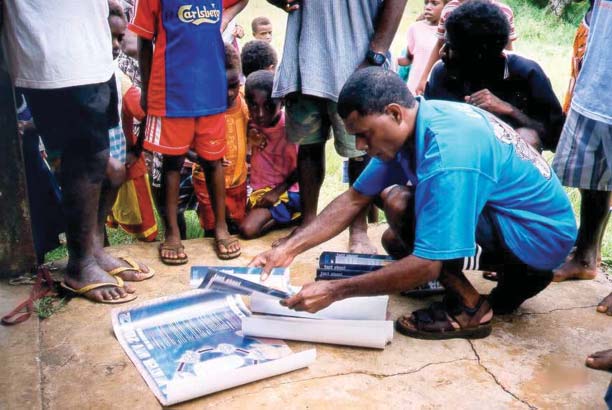
PAC I F I C R E G I O N A L A C T I O N P L A N O N S U S TA I N A B L E WAT E R M A N AG E M E N T
Theme 3
AWARENESS
Advocacy
Political Will
Community Participation
Environmental Understanding
Gender
Chair:
Vula Vakacegu
Facilitator:
Leonie Crennan
Rapporteur:
Christian Nielsen
2nd Rapporteur:
Rhonda Bower
2
17





PAC I F I C R E G I O N A L A C T I O N P L A N O N S U S TA I N A B L E WAT E R M A N A G E M E N T
THEME 3
AWARENESS
(Advocacy; Political Will; Community Participation;
Environmental Understanding; Gender)
Key Message 1: A high quality participatory framework should be
adopted at the national level to allow for open participation of
communities in sustainable water and wastewater management.
Actions Required:
1. Establish a water education fund accessible to government agencies, and civil
society groups to ensure effective community participation in sustainable water
management.
Responsible Parties
· Regional organizations
· National governments
· NGOs
· Donor agencies
· Private sector including industries and the tourism sector
2. Request donors and governments to adjust funding mechanisms to ensure
sustainable implementation of water management programmes.
Responsible Parties
· Regional organizations
· National governments
· Donor agencies
· NGOs
3. Ensure quality community participation that leads to community ownership and
sustainability.
Responsible Parties
· Communities
· National governments
· NGOs
· Regional organizations
· Private sector including industries and the tourism sector
4. Improve water and sanitation conditions of squatter settlements and rural dwellers
through the participatory framework.
Responsible Parties
· Governments
· NGOs
· National governments
· Local governments
18


PAC I F I C R E G I O N A L A C T I O N P L A N O N S U S TA I N A B L E WAT E R M A N A G E M E N T
Key Message 2: Access to, and availability of information on
sustainable water and wastewater management should be provided to
all levels of society.
Actions Required:
1. Develop a toolbox to support water education for all levels of society including
politicians, government personnel, civil society, and private sector. Toolbox to
include:
· funding and establishing a Sanitation Park;
· creation of an in-country and regional database that provides information on
research process and outcomes, aid programmes, NGO and CBO activities,
private sector contribution, government agenda, and resources;
· support the use of local theatre groups and media; and
· mobile training programmes for householders and trades people for building
and maintenance of appropriate on-site water and sanitation systems.
Responsible Parties
· Regional organizations
· National governments
· Donor agencies
· NGOs and CBOs
· Schools and regional institutions
2. Strengthen the capacity of CBOs, NGOs, and government departments to
disseminate information on sustainable water management.
Responsible Parties
· Regional organizations
· National governments
· Donor agencies
· NGOs
· Private sector including industries and tourism sector
· Churches and schools
3. Strengthen the capacity of trainees and dialogue builders.
Responsible Parties
· Regional organizations
· National governments
· NGOs
· Schools and regional institutions
Key Message 3: Water and sanitation education should be mainstreamed into the
formal education system.
Actions Required:
1. Government adopt water education as part of the curriculum.
Responsible Parties
· Education ministries
· Donor agencies
19




PAC I F I C R E G I O N A L A C T I O N P L A N O N S U S TA I N A B L E WAT E R M A N A G E M E N T
· NGOs and CBOs
· Regional Institutions
· Politicians
2. Strengthen the capacity of curriculum developers and teacher trainers to provide
water education.
Responsible Parties
· Education ministries and regional institutions
· Donor agencies
· NGOs and CBOs
Key Message 4: Improve communication and coordination of all
stakeholders in sustainable water and wastewater management
including government, civil society, and the private sector.
Actions Required:
1. Define roles and responsibilities of government, civil society groups, private
sector, and communities in the sustainable management of water.
Responsible Parties
· Regional organizations
· National governments
· Donor agencies
· NGOs
· Private sectors including industries and the tourism sector
· Politicians
· Schools and regional institutions
2. Share information between project/programme stakeholders.
Responsible Parties
· Regional organizations
· National governments
· Donor agencies
· NGOs and CBOs
· Private sector including industries and the tourism sector
· Politicians
· Schools and regional institutions
3. Improve awareness of policy and legislation through education and community-
based learning.
Responsible Parties
· Regional organizations
· National governments
· Donor agencies
· NGOs and CBOs
· Politicians
· Schools and regional institutions
20



PAC I F I C R E G I O N A L A C T I O N P L A N O N S U S TA I N A B L E WAT E R M A N AG E M E N T
THEME 4
TECHNOLOGY
Appropriate Technologies
Demand Management and Conservation
Human Resources
Chair:
Bhaskar Rao
Facilitator:
Mike Dworsky
Rapporteur:
Jan Gregor
2nd Rapporteur:
Chris Davis
2
21




PAC I F I C R E G I O N A L A C T I O N P L A N O N S U S TA I N A B L E WAT E R M A N A G E M E N T
THEME 4
TECHNOLOGY
(Appropriate Technologies; Demand Management and
Conservation; Human Resources)
Key Message 1: Appropriate institutions, infrastructure, and
information will support sustainable water and wastewater
management.
Clearly-defined responsibilities for all stakeholder organizations in water and
wastewater management can prevent fragmented and uncoordinated plans and
actions and improve linkages to other sectors. A specific national agency responsible
for water and wastewater management can be considered to enhance performance.
Strengthened institutional capacities and the collection and dissemination of data and
information will support appropriate technology selection, increase system
performance, increase the understanding of subsequent environmental and public
health impacts, and demonstrate the need for water conservation and natural disaster
preparedness.
Supporting Statements:
1. Governments will review and specify roles of, and facilitate coordination between,
existing agencies, and where appropriate, create specific responsible agencies for
water and wastewater management.
2. Governments will incorporate water and wastewater planning and long-term
sustainable management into national urban and rural development plans and
schemes.
3. Governments will ensure that water and wastewater technologies and related
infrastructure are appropriate to meet national and local priorities and needs, within
the constraints of available finance and other resources, while recognizing the
need for protection of human health and the environment.
4. Governments, service providers, institutions, and regional organizations will
collaborate in partnership throughout the region to improve timely access to, and
sharing of, available data and research on appropriate water and wastewater
technologies and the dissemination and implementation of wise practice guidelines.
5. Water and wastewater reduction (water demand management and conservation,
zero discharge toilets) and reuse strategies will be developed and adopted by
governments without compromising public health.
6. Governments and regional organizations will cooperate to develop and sustain
regional and national water and wastewater quality monitoring programmes and
the use of this information (e.g., benchmarking) to improve water and wastewater
management and environmental protection.
7. Governments, regional organizations, and other stakeholders will cooperate to
develop integrated water and wastewater management plans to effectively address
the impacts of contingencies, emergencies, and disasters.
22




PAC I F I C R E G I O N A L A C T I O N P L A N O N S U S TA I N A B L E WAT E R M A N AG E M E N T
Actions Required:
1. Identify:
· the key agencies/stakeholders involved with the management of water and
wastewater, and environmental health;
· their roles and responsibilities;
· activities they undertake in water, wastewater, and environmental health; and
· lead agencies for specific national activities.
Responsible Parties
· Governments
· NGOs
2. Establish regional mechanisms and guidelines for maintenance of data collection,
on water and wastewater management (capacity, standards, regulations, and
monitoring) and environmental health impacts.
Responsible Parties
· Governments
· Regional organizations
· UN and donor agencies
· NGOs
3. Develop national guidelines (to be shared in partnership within the region) on
wise practice approaches to assessing and managing water and wastewater system
requirements that incorporate sound environmental health principles.
Responsible Parties
· Governments
· Regional organizations
4. Review existing water and wastewater technologies and infrastructure and
recommend strategies for improvement nationally and to be shared, regionally.
Resolving the high unaccounted for water within the regional utilities will reduce the
need for additional water resources development.
Responsible Parties
· Governments
· Service providers
· NGOs
· Regional organizations
· UN and donor agencies
5. Develop a national monitoring capacity, building on existing and new resources, to
provide baseline data, and long-term quality assurance utilizing hydrogeological
and hydrologic data collection and analysis.
Responsible Parties
· Governments
· NGOs
· Regional organizations
23


PAC I F I C R E G I O N A L A C T I O N P L A N O N S U S TA I N A B L E WAT E R M A N A G E M E N T
6. Promote awareness of links between, and means of integration of, water and
wastewater management plans to effectively address contingencies, emergencies,
and disasters.
Responsible Parties
· Governments
· NGOs
· Regional organizations
Key Message 2: Utility collaboration and regional partnership to reduce
unaccounted-for water will significantly improve the sustainability of
utilities and reduce the need for developing new water resources.
Supporting Statements:
1. A regional demand side management programme for the utilities to work in
partnership will be institutionalized and implemented through the regional utility
organization. Self-help training will be provided, and shared, to sustain the leak-
detection effort to reduce unaccounted for water, utilizing not only specialized
equipment throughout the region, but also accounting and meter data analysis.
Reducing the amount of unaccounted-for water (demand side management) is the
highest priority action item for the utilities throughout the Pacific island countries.
Actions Required:
1. Review existing water and wastewater technologies and infrastructure and
recommend strategies for improvement nationally and to be shared, regionally.
Resolving the high unaccounted-for water within the regional utilities will reduce
the need for additional water resources development.
Responsible Parties
· Governments
· Service providers
· NGOs
· Regional organizations, UN and donor agencies
2. Develop island specific training programmes, regional training needs, and pilot
projects (leak detection, and resolving unaccounted-for water is the highest
priority identified by the utilities), identify resources for delivery (e.g., staffing,
equipment etc.), secure funding, and implement them utilizing regional partnership
to share skills, experiences, and expertise.
Responsible Parties
· Governments
· Service providers
· Regional organizations and cooperating agencies
· NGOs
3. Reduce water losses through reduction programmes including leak-detection
practices, meter and billing data collection, and analysis and installation of water-
saving devices.
24




PAC I F I C R E G I O N A L A C T I O N P L A N O N S U S TA I N A B L E WAT E R M A N AG E M E N T
Responsible Parties
· Service providers
4. Use of water-saving devices to reduce wastage.
Responsible Parties
· Customers
5. Share skills and techniques between utilities in and outside the region.
Responsible Parties
· Service providers
· Regional organizations and cooperating agencies
Key Message 3: Island specific regional training programmes should be
developed, resulting in sustainable levels of skilled and knowledgeable
people and communities within the water and wastewater sector.
Appropriately trained and experienced urban and rural water and wastewater
professionals are needed to develop projects and operate facilities, at both the
technical, managerial, and community participation levels. Increased training
enables communities and individuals to take responsibility for operating and
maintaining their systems.
Supporting Statements:
1. Governments, regional, and international organizations will cooperate to develop
and implement effective human resource development programs for water and
wastewater management and related personnel (including planners, management
and enforcement professionals) with particular attention to upskilling the local
workforce.
2. Governments, local institutions, regional, and international organizations will
work in partnership to share and develop regional and national training courses in
support of human resource development programs.
3. Governments, regional organizations, and NGOs will promote and facilitate the
development and training of communities and individuals to strengthen and assist
their participation in water and wastewater management.
4. Governments, regional organizations, donors, the private sector, and NGOs will
work together to secure funding to support the sustainability of human resources
development policies and training programs.
Actions Required:
1. Review the need for increased capacity and management training in human
resources development and planning.
Responsible Parties
· Governments
· Service providers
25






PAC I F I C R E G I O N A L A C T I O N P L A N O N S U S TA I N A B L E WAT E R M A N A G E M E N T
· Regional organizations and cooperating agencies
· International counterparts
2. Carry out training needs analysis (TNA) for workforce and community groups,
including communities and individuals, to identify gaps in existing training. This
should include reviews of current programs to determine who needs training, the
type of training required, and resources needed.
Responsible Parties
· Governments
· Service providers
· Regional organizations and cooperating agencies
· International counterparts
3. Identify funding sources for training program development and share the resources
between utilities wherever cost effective and appropriate.
Responsible Parties
· Governments
· Service providers
· Regional organizations and cooperating agencies
4. Develop island specific training programs, regional training needs, and pilot
projects (leak detection, and resolving unaccounted-for water is the highest
priority identified by the utilities), identify resources for delivery (e.g., staffing,
equipment etc.), secure funding, and implement them utilizing regional
partnership to share skills, experiences, and expertise.
Responsible Parties
· Governments
· Service providers
· Regional organizations and cooperating agencies
· NGOs
5. Evaluate performance of human resources development planning based on improved
water and wastewater management.
Responsible Parties
· Governments
· Service providers
· Regional organizations and cooperating agencies
· International counterparts
6. Periodically go back to Actions 1 and 2 to assure sustainability.
Responsible Parties
· Governments
· Service providers
· Regional organizations and cooperating agencies
· International counterparts
26



PAC I F I C R E G I O N A L A C T I O N P L A N O N S U S TA I N A B L E WAT E R M A N AG E M E N T
THEME 5
INSTITUTIONAL
ARRANGEMENTS
Institutional Strengthening
Policy, Planning and Legislation
Chair:
Keu Mataroa
Facilitator:
David Hill
Rapporteur:
Jan Gregor
2nd Rapporteur:
Ian Walker
2
27




PAC I F I C R E G I O N A L A C T I O N P L A N O N S U S TA I N A B L E WAT E R M A N A G E M E N T
THEME 5
INSTITUTIONAL ARRANGEMENTS
(Institutional Strengthening; Policy, Planning and Legislation)
Key Message 1: Work together through a comprehensive consultative
process, encompassing good governance, to develop a shared
national vision for managing water resources in a sustainable manner.
Supporting Statements:
1. Governments should develop a national vision for sustainable water resources
management.
2. Governments should include all parts of the water resources and services delivery
sector in the national vision for sustainable water resources management including
water, wastewater, sanitation, and drainage and give particular regard to
cultural and/or traditional rights and practices.
3. Governments should develop their respective national vision for sustainable water
resources management through a process of full inclusion of, and consultation
with, all stakeholders. That process should be confirmed with stakeholders
before the formal development stage commences.
Actions Required:
1. Identify a lead agency for initiating the process of developing a national vision.
Responsible Parties
· Governments
2. Prepare a draft consultation strategy for the development of a national vision.
Responsible Parties
· Governments
3. Establish a process for inclusion and consultation with stakeholders.
Responsible Parties
· Governments
4. Seek agreement from stakeholders on the consultation process.
Responsible Parties
· Governments
· Stakeholders
28




PAC I F I C R E G I O N A L A C T I O N P L A N O N S U S TA I N A B L E WAT E R M A N A G E M E N T
5. Develop a national vision for sustainable water resources management.
Responsible Parties
· Government departments
· Service providers
· Stakeholders
6. Develop a programme for promotion, education, and awareness of the
national vision in the community.
Responsible Parties
· Government departments
· Service providers
· Stakeholders
Key Message 2: Develop national instruments including national
visions, policies, plans, and legislation appropriate to each island
country taking into account the particular social, economic,
environmental, and cultural needs of the citizens of each country.
Supporting Statements:
1. Governments should develop sustainable water resources management policies,
laws, plans, and regulations that are consistent with the national vision for
sustainable water resources management, international and national laws,
regulations, technical standards, and obligations.
2. Governments, regional organizations, and other stakeholders should
cooperate to develop integrated sustainable water resources management plans
and other instruments.
3. Governments should develop and implement appropriate water and associated
regulatory frameworks, compliance, and enforcement requirements that benefit
the specific cultures, customs, economies, and environment of the people of the
Pacific.
4. Governments and regional organizations, the private sector, NGOs, and Civil
Society Organizations (CSOs), should actively cooperate to ensure that sustainable
water resources management policies and plans are integrated into the national
development policies and plans and other cross-sectoral initiatives.
Actions Required:
1. Establish a process for, and review current laws, policies, plans, and other
relevant strategies for consistency with the national vision for sustainable water
resources management.
Responsible Parties
· Governments
· Stakeholders
29




PAC I F I C R E G I O N A L A C T I O N P L A N O N S U S TA I N A B L E WAT E R M A N A G E M E N T
2. Identify gaps in existing national instruments for national planning, water
resources, land-use planning and development, and align with the national vision.
Responsible Parties
· Governments
3. Education and awareness on policies and regulations across all sectors with special
focus on decision makers.
Responsible Parties
· Governments
· Service providers
· Regional organizations
· Local governments
· NGOs and CSOs
4. Establish appropriate guidelines and systems for reporting on service delivery, and
enforcement of regulations.
Responsible Parties
· Governments
Key Message 3: Promote and establish appropriate institutional
arrangements resourced sufficiently to enable effective management
of water resources and the provision of appropriate water services.
Supporting Statements:
1. Governments, at all levels, regional organizations, NGOs, and CSOs should
develop such institutional arrangements as are complementary and necessary to
effectively manage water resources sustainably, including through public-private
partnerships.
2. Governments should review existing water agencies and other interested parties,
involved in sustainable water resources management with a view to facilitating more
effective coordination between them.
3. Service providers should take into account traditional knowledge and practices
complemented by new approaches to sustainable water resources management.
Actions Required:
1. Develop such institutional arrangements as are complementary and necessary to
effectively manage, and where the national vision is in place, implement water
resources in a sustainable manner.
Responsible Parties
· Governments
· Regional organizations
· NGOs and CSOs
30



PAC I F I C R E G I O N A L A C T I O N P L A N O N S U S TA I N A B L E WAT E R M A N A G E M E N T
2. Review existing water agencies and other interested parties involved in
sustainable water resources management with a view to facilitating more
effective coordination between them.
Responsible Parties
· Governments
Key Message 4: Recognize and share the water resources management
knowledge and skills of all stakeholders at a national and regional level
in the process of developing and implementing the national vision.
Supporting Statements:
1. Governments, regional organizations, NGOs, and CSOs should cooperate to
promote and develop education and awareness of sustainable water resources
management issues, including their public health, economic, environmental,
social, and cultural implications.
2. Governments, service providers, NGOs, and CSOs should, in partnership with
community agencies, pool their respective knowledge, skills and responsibilities,
and use this in the development and implementation of culturally appropriate
strategies and activities for the implementation of sustainable water resource
management programmes.
3. Governments, service providers, NGOs, and CSOs should ensure rural and
urban communities have opportunities for active participation in the choice,
development, and implementation of sustainable water resources management
projects, and the ongoing operation and maintenance of facilities.
4. Where consistent with health and safety guidelines, planning of water facilities
should ensure access for all, with special regard to women, the disadvantaged,
the disabled, those in rural and remote communities, and the poor.
5. Governments, service providers, institutions, and regional organizations should
collaborate throughout and beyond the region, to improve timely access to and
sharing of, available data and research on sustainable water resources
management and the dissemination and implementation of good practice
guidelines.
Actions Required:
1. Develop and implement national and local public awareness and education
campaigns with respect to sustainable water resources management.
Responsible Parties
· Governments
· Regional organizations
· Local governments
· Communities
31





PAC I F I C R E G I O N A L A C T I O N P L A N O N S U S TA I N A B L E WAT E R M A N A G E M E N T
2. Regional water resources professionals should be used, wherever practicable,
to assist with capacity building.
Responsible Parties
· Governments
· Regional organizations
3. Local theatre groups and media should be used in raising awareness
programmes.
Responsible Parties
· Governments
· Local governments
· Regional organizations
· Communities
4. Establish processes by which key stakeholders can determine their respective roles
and responsibilities for sustainable water resources management within the
community.
Responsible Parties
· Governments
· Service providers
· NGOs and CSOs
· Communities and Women
5. Create a task force that has representation of all stakeholders that will facilitate
the development and implementation of culturally appropriate strategies and activities
for sustainable water resources management programmes. The taskforce should
have representation that will include women, the disabled, and disadvantaged.
Responsible Parties
· All key stakeholders
6. Include public awareness components in the budgeting of all development
programmes.
Responsible Parties
· Governments
· Donors
7. Promote the use of community consultative committees in water sector
development programmes.
Responsible Parties
· Governments
· Communities
· Service providers
32




PAC I F I C R E G I O N A L A C T I O N P L A N O N S U S TA I N A B L E WAT E R M A N AG E M E N T
8. Perform gender assessment studies in sustainable water resources
management and, where appropriate, stress the need for gender issues to be
included into project planning.
Responsible Parties
· Governments
· Regional organizations
9. Conduct research into traditional practices and determine whether or not these
can be adapted to suit the present situation and new development programmes.
Responsible Parties
· Governments
· Regional organizations
· NGOs and CSOs
Key Message 5: National and regional leadership in water resources
management should be recognized and encouraged.
Supporting Statements:
1. Governments and regional and international organizations should work
together to develop and implement effective leadership development
programmes in the area of sustainable water resources management.
2. Governments, local institutions, and regional and international organizations
should work together in the development of regional and national training
courses in support of broader sustainable water resources management
development programmes.
3. Governments, regional organizations, NGOs and CSOs should promote and
facilitate the development and training of communities and individuals to strengthen
and assist their participation in the area of sustainable water resources
management.
Actions Required:
1. Review and identify the need for increased capacity and management training in
human resources development and planning in the water resources sector,
particularly in the area of leadership (customary, professional, civil and political).
Responsible Parties
· Governments
· Service providers
· Regional organizations
· Cooperating agencies
· International counterparts
· NGOs and CSOs
33





PAC I F I C R E G I O N A L A C T I O N P L A N O N S U S TA I N A B L E WAT E R M A N A G E M E N T
2. Provide training opportunities in the practice of good governance with respect to
water resources management.
Responsible Parties
· Governments
· Service providers
· Regional organizations
3. Identify funding sources for training programme development.
Responsible Parties
· Governments
· Service providers
· Regional organizations
· Cooperating agencies
4. Develop and provide country-specific and regional training programmes, pilot
projects, and guidelines in sustainable water resources management.
Responsible Parties
· Governments
· Service providers
· Regional organizations
· Cooperating agencies
· NGOs and CSOs
5. Review opportunities for regional partnerships in sustainable water resources
management leadership training.
Responsible Parties
· Governments
· Service providers
· Regional organizations
· Cooperating agencies
· International counterparts
· NGOs and CSOs
34



PAC I F I C R E G I O N A L A C T I O N P L A N O N S U S TA I N A B L E WAT E R M A N AG E M E N T
THEME 6
FINANCE
Costs and Tariffs
Alternative Models
Role of Donor Organizations and Financing Institutes
Chair:
Latu Kupa
Facilitator:
Ian Walker
Rapporteur:
Stuart Whitehead
2nd Rapporteur: David Hill
35



PAC I F I C R E G I O N A L A C T I O N P L A N O N S U S TA I N A B L E WAT E R M A N A G E M E N T
THEME 6
FINANCE
(Costs and Tariffs; Alternative Models;
Role of Donor Organizations and Financing Institutes)
Key Message 1: Create a better and sustainable environment for
investment by both the public and private sector, by developing and
implementing national, sector, and strategic plans that identify the
economic, environmental, and social costs of different services and
develop pricing policies, which ensure the proper allocation of
resources for the water sector.
Supporting Statements:
1. Governments, regional organizations, donors, the private sector, NGOs, and
CSOs should cooperate to develop innovative approaches to existing funding
structures and establish mechanisms to improve cost-recovery.
2. Where appropriate, governments, regional organizations, NGOs, and CSOs
should cooperate to attract the private sector to invest in sustainable water
resources management through public private partnerships and other
mechanisms.
3. Governments, donors, and regional organizations should cooperate to develop
appropriate service delivery and funding mechanisms to equitably address the
sustainable water resources management needs of all in both the urban and rural
community.
Actions Required:
1. Improve regulatory oversight and sector governance.
Responsible Parties
· Governments
2. Develop sector master plans to identify funding and cost recovery requirements and
benefits, in terms of improved health and poverty alleviation objectives.
Responsible Parties
· Governments
3. Investigate possible conjunctive use of water from other infrastructure projects
(e.g., hydropower dams etc).
Responsible Parties
· Utilities
· Governments
36




PAC I F I C R E G I O N A L A C T I O N P L A N O N S U S TA I N A B L E WAT E R M A N AG E M E N T
4. Consider separate potable water and salt/grey water systems for different
treatment uses.
Responsible Parties
· Utilities
· Clients
5. Adopt polluter-pays principles.
Responsible Parties
· Governments
6. Identify potential benefits of partnerships in service provision such as joint
ventures.
Responsible Parties
· Governments
7. Assess potential for contracting out particular functions to local groups (e.g., leak
detection, billing, aspects of equipment maintenance, etc).
Responsible Parties
· Utilities
· Governments
8. Improve bankability of enterprise to investors and donors.
Responsible Parties
· Utilities
· Governments
9. Improve demand management.
Responsible Parties
· Utilities
· Governments
10. Develop tariff policies and structures to generate revenues to meet financial
and cost-recovery policies.
Responsible Parties
· Utilities
· Governments
11. Policy for transparent, sustainable, targeted subsidies.
Responsible Parties
· Governments
37





PAC I F I C R E G I O N A L A C T I O N P L A N O N S U S TA I N A B L E WAT E R M A N A G E M E N T
Key Message 2: Establish financially-viable enterprises for water and
sanitation that result in improved performance by developing
appropriate financial and cost-recovery policies, tariffs, billing and
collection systems, and financial and operating systems.
Actions Required:
1. Develop business plans, financial plans, and financially sustainable cost-
recovery strategies.
Responsible Parties
· Utilities
· Governments
2. Improve billing and collection procedures, and legislate disconnection policies.
Responsible Parties
· Utilities
· Governments
3. Develop tariff structures to achieve adequate cost recovery but protects
affordability.
Responsible Parties
· Utilities
· Governments
4. Establish sound asset management procedures and funding, including proper
operation and management practices.
Responsible Parties
· Utilities
5. Information sharing and capacity building for sustainable sector finance.
Responsible Parties
· Utilities
6. Consider potential cost savings through multi-function authorities.
Responsible Parties
· Governments
7. Align tariff increases to service improvements.
Responsible Parties
· Utilities
38



PAC I F I C R E G I O N A L A C T I O N P L A N O N S U S TA I N A B L E WAT E R M A N AG E M E N T
8. Allow water utilities to keep tariff revenues.
Responsible Parties
· Governments
9. Increase consultation and public awareness to support need for cost recovery and
hence tariffs or tariff increases.
Responsible Parties
· Utilities
10. Report in transparent manner including costs and tariffs to all stakeholders
including consumers.
Responsible Parties
· Utilities
Key Message 3: Reduce costs through improved operational
efficiency, using benchmarking, development of water-loss reduction
programmes, and improved work practices.
Actions Required:
1. Reduce water losses through water-loss reduction programmes.
Responsible Parties
· Utilities
· Clients
2. Use of water-saving devices to reduce wastage by customers.
Responsible Parties
· Utilities
· Clients
3. Benchmarking to reduce costs, electricity, staff numbers, and salaries.
Responsible Parties
· Utilities
· Regional organizations
4. Report in transparent manner including costs and tariffs to all stakeholders.
Responsible Parties
· Utilities
· Governments
5. Information sharing and capacity building.
Responsible Parties
· Utilities
· Regional organizations
39




PAC I F I C R E G I O N A L A C T I O N P L A N O N S U S TA I N A B L E WAT E R M A N AG E M E N T
Key Message 4: Ensure access for the poor to water and sanitation
services by developing pro-poor policies that include tariffs with
lifeline blocks and transparent and targeted subsidies.
Actions Required:
1. Clear framework for participation by poor.
Responsible Parties
· Local governments
· Governments
2. Use Trust funds for community water supply and sanitation.
Responsible Parties
· Local governments
· Governments
3. Affordable cost recovery policies, tariffs with lifeline blocks to ensure services
supplied at affordable prices.
Responsible Parties
· Utilities
· Governments
4. Policy for transparent, sustainable, and targeted subsidies.
Responsible Parties
· Governments
Key Message 5: Achieve sustainable rural water and sanitation
services at the community level through developing strategies that
incorporate mechanisms for appropriate financing and capacity
building.
Actions Required:
1. Formulate policy for financing rural water supply and sanitation.
Responsible Parties
· Governments
2. Formulate strategy to increase funding for rural water supply and sanitation.
Responsible Parties
· Local governments
· Governments
40


PAC I F I C R E G I O N A L A C T I O N P L A N O N S U S TA I N A B L E WAT E R M A N AG E M E N T
3. Strengthen capacity of water committees/community groups for self-
sufficient operation and maintenance of community-managed water supply and
sanitation facilities.
Responsible Parties
· Local governments
· Governments
4. Consider Trust funds and community savings schemes as sources for community
and rural water supply.
Responsible Parties
· Local governments
· Governments
41


PAC I F I C R E G I O N A L A C T I O N P L A N O N S U S TA I N A B L E WAT E R M A N AG E M E N T
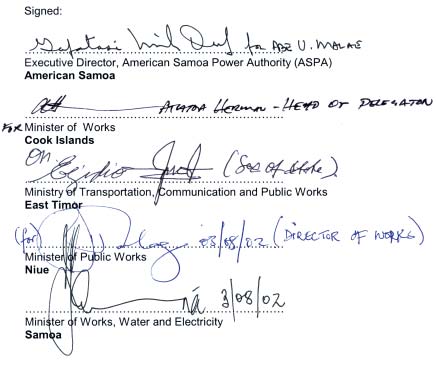
MINISTERIAL DECLARATION
Recognizing, the unique geographic and physical characteristics, as well as
fragile nature of water resources in our small and vulnerable island countries
which impact on the health and well-being of our peoples, environment, and the
development of our island economies;
We declare that on behalf of our governments, we endorse the Communiqué and
Regional Action Plan developed during the Pacific Regional Consultation attached to
this Declaration.
Signed:
.....................................................................
Executive Director, American Samoa Power Authority (ASPA)
American Samoa
.....................................................................
for Minister of Works
Cook Islands
.....................................................................
Ministry of Transportation, Communication and Public Works
East Timor
.....................................................................
Minister of Public Works
Niue
.....................................................................
Minister of Works, Water and Electricity
Samoa
42







PAC I F I C R E G I O N A L A C T I O N P L A N O N S U S TA I N A B L E WAT E R M A N AG E M E N T
.....................................................................
Minister, Department of Transportation, Communication &
Infrastructure
Federated States of Micronesia
.....................................................................
Minister of Works, Telecommunications, Energy, Road Transport &
Shipping
Fiji Islands
.....................................................................
Minister of Works and Energy
Kiribati
.....................................................................
Minister of Public Works
Marshall Islands
.....................................................................
Minister of Health
Republic of the Maldives
.....................................................................
Minister of Works and Community Services
Nauru
43






PAC I F I C R E G I O N A L A C T I O N P L A N O N S U S TA I N A B L E WAT E R M A N A G E M E N T
.....................................................................
Minister of Rural Affairs
New Caledonia
.....................................................................
Minister of Resources and Development
Palau
.....................................................................
Minister of National Planning and Rural Development
Papua New Guinea
.....................................................................
Minister of Mines, Energy and Water Resources
Solomon Islands
.....................................................................
Minister of Lands and Natural Resources
Tonga
.....................................................................
Prime Minister
Tuvalu
.....................................................................
Minister of Lands and Natural Resources
Vanuatu
44


PAC I F I C R E G I O N A L A C T I O N P L A N O N S U S TA I N A B L E WAT E R M A N AG E M E N T
COMMUNIQUÉ ON THE PACIFIC
REGIONAL CONSULTATION ON WATER IN
SMALL ISLAND COUNTRIES
Adopted by Ministers and Island Country Delegations and representatives of civil
society groups meeting in the final High-Level Session of the Pacific Regional
Consultation on Water in Small Island Countries, Sigatoka, Fiji Islands, 3rd August
2002, as part of the preparatory process for the 3rd World Water Forum.
Recognizing, the unique geographic and physical characteristics, as well as the
fragile nature of water resources in small and vulnerable island countries which
impact on the health and well-being of our peoples, environment, and the
development of our island economies;
We, Ministers and Island Country Delegations and representatives of civil society
groups, with responsibilities for water affairs from 18 small island developing states
from the Pacific, as well as East Timor and the Maldives, met in Sigatoka, Fiji Islands
29 July 3 August 2002 to share knowledge particularly within and across the small
island country regions, and agree to an action plan for sustainable water management
in our islands.
We acknowledge the work of national governments, supported by regional and
international intergovernmental organizations, and civil society groups to achieve
sustainable resource management of water.
We recommit ourselves to sustainable water management components of Agenda 21
agreed to ten years ago in Rio de Janeiro, Brazil, and the Global Action Plan for
Small Island Developing States agreed to in Barbados 1994 and the outcomes of
the 5-year reviews undertaken in 1997 and 1999.
We associate and reaffirm, as appropriate, ourselves with the outcomes of the
meeting on freshwater held in Bonn, Germany, in December 2001, which identified
financing, capacity building, and governance as key constraints. This Consultation
recognizes these as important in small island countries and adds political will as
another important constraint which makes a set of four key constraints that need to be
overcome for sustainable management of the region's water resources.
We urge the international community to pursue the achievement of the Millennium
Development Goals that target the vital role of sustainable water management
contributing to reducing poverty, improving health, and livelihoods for all people.
Recognizing that the World Summit on Sustainable Development (WSSD) is to
take place in Johannesburg, South Africa, later this month, 26 August - 5
September 2002, and the 3rd World Water Forum in Kyoto, Japan in March 2003,
decide that the following messages are key:
45

PAC I F I C R E G I O N A L A C T I O N P L A N O N S U S TA I N A B L E WAT E R M A N AG E M E N T
THEME 1: WATER RESOURCES
MANAGEMENT
Key Message 1: Strengthen the capacity of small island countries to
conduct water resources assessment and monitoring as a key
component of sustainable water resources management.
Key Message 2: Implement strategies to utilize appropriate methods
and technologies for water supply and sanitation systems and
approaches for rural and peri-urban communities in small islands.
Key Message 3: Implement strategies to improve the management of
water resources, and surface and groundwater catchments
(watersheds) for the benefit of all sectors including local
communities, development interests, and the environment.
THEME 2: ISLAND VULNERABILITY
Key Message 1: There is a need for capacity development to enhance
the application of climate information to cope with climate variability
and change.
Key Message 2: Change the paradigm for dealing with Island
Vulnerability from disaster response to hazard assessment and risk
management, particularly in Integrated Water Resources
Management.
THEME 3: AWARENESS
Key Message 1: A high quality participatory framework should be
adopted at the national level to allow for open participation of
communities in sustainable water and wastewater management.
Key Message 2: Access to, and availability of information on
sustainable water and wastewater management should be provided to
all levels of society.
Key Message 3: Water and sanitation education should be
mainstreamed into the formal education system.
Key Message 4: Improve communication and coordination of all
stakeholders in sustainable water and wastewater management
including government, civil society, and the private sector.
46


PAC I F I C R E G I O N A L A C T I O N P L A N O N S U S TA I N A B L E WAT E R M A N AG E M E N T
THEME 4: TECHNOLOGY
Key Message 1: Appropriate institutions, infrastructure, and
information will support sustainable water and wastewater
management.
Key Message 2: Utility collaboration and regional partnership to reduce
unaccounted-for water will significantly improve the sustainability of
utilities and reduce the need for developing new water resources.
Key Message 3: Island specific regional training programmes should be
developed, resulting in sustainable levels of skilled and knowledgeable
people and communities within the water and wastewater sector.
THEME 5: INSTITUTIONAL
ARRANGEMENTS
Key Message 1: Work together through a comprehensive consultative
process, encompassing good governance, to develop a shared national
vision for managing water resources in a sustainable manner.
Key Message 2: Develop national instruments including national
visions, policies, plans, and legislation appropriate to each island
country taking into account the particular social, economic,
environmental, and cultural needs of the citizens of each country.
Key Message 3: Promote and establish appropriate institutional
arrangements resourced sufficiently to enable effective management of
water resources and the provision of appropriate water services.
Key Message 4: Recognize and share the water resources management
knowledge and skills of all stakeholders at a national and regional level
in the process of developing and implementing the national vision.
Key Message 5: National and regional leadership in water resources
management should be recognized and encouraged.
THEME 6: FINANCE
Key Message 1: Create a better and sustainable environment for
investment by both the public and private sector, by developing and
implementing national, sector, and strategic plans that identify the
economic, environmental, and social costs of different services and
develop pricing policies, which ensure the proper allocation of
resources for the water sector.
47

PAC I F I C R E G I O N A L A C T I O N P L A N O N S U S TA I N A B L E WAT E R M A N AG E M E N T
Key Message 2: Establish financially-viable enterprises for water and
sanitation that result in improved performance by developing
appropriate financial and cost-recovery policies, tariffs, billing and
collection systems, and financial and operating systems.
Key Message 3: Reduce costs through improved operational efficiency,
using benchmarking, development of water-loss reduction programmes,
and improved work practices.
Key Message 4: Ensure access for the poor to water and sanitation
services by developing pro-poor policies that include tariffs with
lifeline blocks and transparent and targeted subsidies.
Key Message 5: Achieve sustainable rural water and sanitation
services at the community level through developing strategies that
incorporate mechanisms for appropriate financing and capacity
building.
We urge each country representative to actively promote the priorities outlined in
this Communiqué with their country delegations attending (i) the Pacific Island
Forum Leaders Meeting in Suva, later this month, and (ii) attending the World
Summit on Sustainable Development.
We agree that the Type II Partnership/Initiative on water being submitted by the
Pacific delegations at the WSSD must provide an opportunity to secure support to
implement the Regional Action Plan and urge donors and partners to do likewise.
Acknowledging the valuable contribution of the International Secretariat of the
Dialogue on Water and Climate and the Caribbean delegates to the importance given
to island vulnerability, we commend this Plan to the Caribbean Consultative Meeting
to be held in October 2002 as part of the preparations for the 3rd World Water Forum,
and support partnerships between the small island regions.
We request the organisers of this Consultation, SOPAC and the ADB, to transmit this
Communiqué and the Regional Action Plan to the 3rd World Water Forum, in order that
the priority actions needed to support sustainable water resources management in our
small island countries are endorsed.
Finally, we acknowledge that the above meetings and fora are important steps on
the road to addressing the vital water issues confronting our small island
countries, and reaffirm our commitment to strive towards the realization of
sustainable water resources management for the benefit of the peoples of the
small island countries.
Sigatoka, 3rd August 2002
48


PAC I F I C R E G I O N A L A C T I O N P L A N O N S U S TA I N A B L E WAT E R M A N A G E M E N T
LIST OF ABBREVIATIONS
ADB
Asian Development Bank
ANU
Australia National University
AusAID
Australian Agency for International Development
AWA
Australia Water Association
BOM
Bureau of Meteorology Australia
CBO
Community Based Organisation
CHARM
Comprehensive Hazards and Risk Management
CLIPS
Climate Information and Prediction Services
CSO
Civil Society Organisation
DFID
Department for International Development (UK)
DGMWR
Department of Geology, Mines and Water Resources, Vanuatu
DWC
Dialogue on Water and Climate
ENSO
El Niño Southern Oscillation
ESCAP
Economic and Social Commission for Asia and the Pacific
EU
European Union
FMS
Fiji Meteorological Service
GOOS
Global Ocean Observing System
GWP
Global Water Partnership
HYCOS
Hydrological Cycle Observing System
IHP
International Hydrological Programme (of UNESCO)
IWP
International Waters Programme (abbreviation for Strategic
Action Programme for International Waters)
IWRM
Integrated Water Resources Management
NGO
Nongovernment Organisation
NIWA
National Institute for Water and Atmospheric Research New Zealand
NOAA
National Oceanographic and Atmospheric Administration (US)
NZAID
New Zealand Agency for International Development (formerly
NZODA)
NZODA
New Zealand Overseas Development Agency (now NZAID)
NZWWA
New Zealand Water and Wastewater Association
PEAC
Pacific ENSO Applications Center
PIC
Pacific island country
PICCAP
Pacific Islands Climate Change Assistance Programme
PNG
Papua New Guinea
SPREP
South Pacific Regional Environment Programme
UNEP
United Nations Environment Programme
UNESCO
United Nations Educational, Scientific and Cultural Organisation
USP
University of the South Pacific
WHO
World Health Organisation
WMO
World Meteorological Organisation
49


PAC I F I C R E G I O N A L A C T I O N P L A N O N S U S TA I N A B L E WAT E R M A N A G E M E N T
REFERENCES
Arriens, Wouter Lincklaen, Jeremy Bird, Jeremy Berkoff, and Paul Mosley, eds.
(1996a). Towards Effective Water Policy in the Asian and Pacific Region. Vol. 1.
Manila: ADB.
______. (1996b). Overview of Issues and Recommendations. Vol. 2. Manila: ADB.
______. (1996c). Theme Papers and Comments. Vol. 3. Manila: ADB.
______. (1996d). Country Papers. Manila: ADB.
Asian Development Bank. (2001). Water for All: The Water Policy of the Asian
Development Bank. Manila.
ANU/SOPAC/UNESCO (2000). Report on UNESCO IHP Pacific Focal Group for
Water Resources, Priority Issues in Water Resources. Christchurch, New
Zealand, November (2000). prepared by I. White, M. Overmars and H. Thulstrup;
Australian National University, SOPAC and UNESCO.
DGMWR/SOPAC/UNESCO/NIWA (2002). Draft proposal, Catchments &
Communities Project, Vanuatu. Department of Geology, Mines and Water
Resources, SOPAC, UNESCO and NIWA, New Zealand.
Live & Learn (2002). River Care, Live & Learn Environmental Education. Report
prepared for Pacific Regional Consultation on Water in Small Island Countries,
Sigatoka, Fiji , 29 July - 3 August 2002.
McIntosh, Arthur, and Cesar Yniguez, eds. (1993). Water Utilities Data for the
Asian and Pacific Region. Manila: ADB.
______. (1997). Second Water Utilities Data for the Asian and Pacific Region.
Manila: ADB.
______. (2001). Regulatory Systems and Networking of Water Utilities and
Regulatory Bodies. Manila: ADB.
SOPAC (1999). ENSO Impact on Water Resources in the Pacific Region Workshop
Report. Proceedings of Workshop, Nadi, Fiji, November 1999, Miscellaneous
Report 345.
SOPAC/WMO/UNESCO (2001). A Programme to Meet Hydrological Training
Needs of Small Island Countries in the Pacific, April 2001. Prepared by SOPAC
in collaboration with WMO and UNESCO.
SPREP-IWP (2002). A Synopsis of Information on Freshwater and Watershed
Management Issues in the Pacific Islands region. Prepared for the International
Waters Programme. IWP Technical Report 2002/02, prepared by T. Falkland in:
Wright A. and Stacey N. (eds). Issues for Community based sustainable
resource management and conservation: considerations for the Strategic Action
Plan for the International Waters of the Pacific Small Island Developing States.
The International Waters Programme, South Pacific Regional Environment
Programme.
WHO (2001). Report on Workshop on Drinking Water Quality, Surveillance and
Safety. Nadi, Fiji, 29 October 1 November 2001.
WMO (2000). Hydrological Cycle Observing System for the Pacific Island
Countries (Pacific-HYCOS), Project document. Prepared for WMO by P. Mosley
and R. Raj, May 2000.
50


PAC I F I C R E G I O N A L A C T I O N P L A N O N S U S TA I N A B L E WAT E R M A N A G E M E N T
ORGANIZING COMMITTEE
ADB
Jeffry Stubbs, Country Director, South Pacific Regional Mission
Mary Narfi, Secretarial Assistant
Sarah Mecartney, Workshop Coordinator
Wouter Lincklaen Arriens, Lead Water Resources Specialist
SOPAC
Anthony Browne, Website Manager
Avinash Prasad, IT Assistant
Clive Carpenter, Head of Water Resources
Ilana Burness, Technical Assistant
Laisa Baoa, Programme Assistant
Lala Bukarau, Publication Officer
Marc Overmars, Hydrogeologist
Peni Musunamasi, Technician
Reuben Vulawalu, Design & Layout
Rhonda Bower, Sanitation Officer
Co-sponsors:
·
Secretariat 3rd World Water Forum
·
International Secretariat of the Dialogue on Water and Climate
·
Pacific Water Association
·
World Bank
·
AusAID
·
DFID
·
NZAID
51


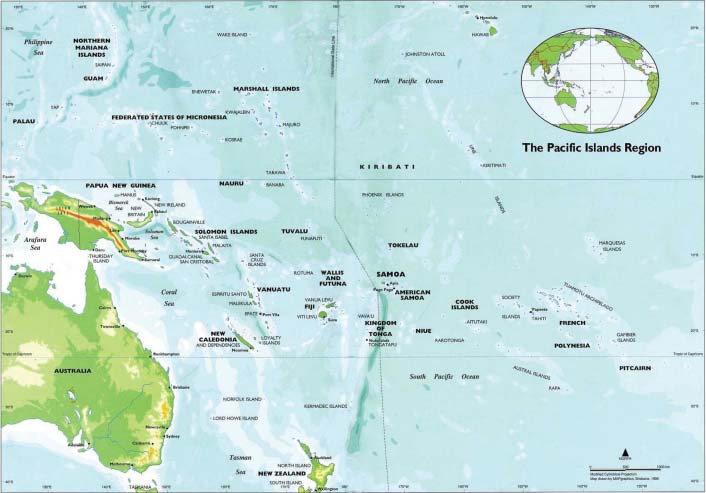
PAC I F I C R E G I O N A L AC T I O N P L A N O N S U S TA I N A B L E WAT E R M A N A G E M E N T
52

PAC I F I C R E G I O N A L A C T I O N P L A N O N S U S TA I N A B L E WAT E R M A N AG E M E N T
Photographs by
Marc Overmars
53